












































































































































































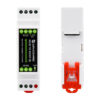







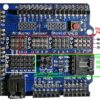
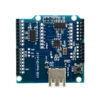
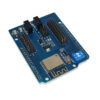
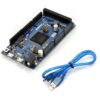
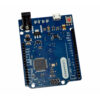



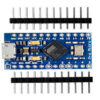
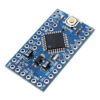



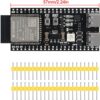
















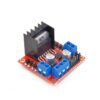

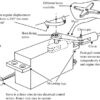


















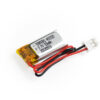
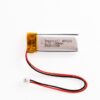


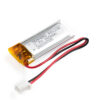
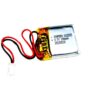

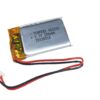
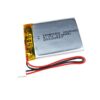
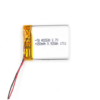
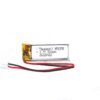



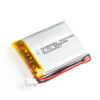

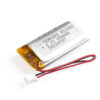


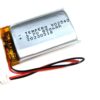


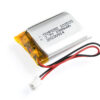



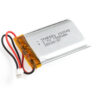

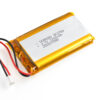


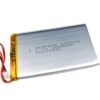





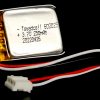

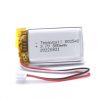



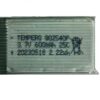
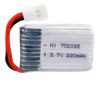
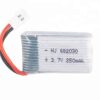
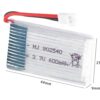
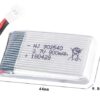


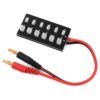

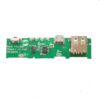
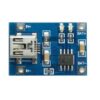



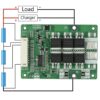



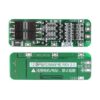

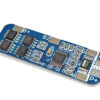
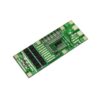
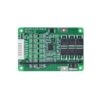
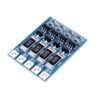






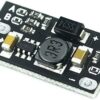

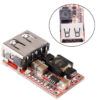
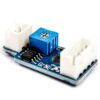
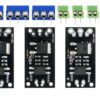





































































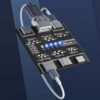












































Battery Management System (BMS) is critical for managing and protecting Lithium-ion batteries, including polymer Lithium-ion batteries. It ensures safe and efficient operation by monitoring various parameters and taking corrective actions.
Here are some Essential functions and considerations for a BMS for polymer Lithium-ion batteries:
-
Cell Voltage Monitoring:
- The BMS continuously monitors the voltage of each cell within the battery pack. This is crucial for balancing the cells and preventing Overcharging or Over-discharging.
-
Current Monitoring:
- It keeps track of the current in and out of the battery pack. This helps prevent overcurrent situations that can lead to overheating and potential damage.
-
State of Charge (SOC) Estimation:
- The BMS estimates the state of charge based on voltage, current, and temperature readings. Accurate SOC estimation is crucial for determining how much energy is left in the battery.
-
State of Health (SOH) Monitoring:
- It assesses the overall health and capacity of the battery over time. This helps in predicting the Lifespan and performance degradation of the battery.
-
Temperature Monitoring:
- The BMS monitors the temperature of the battery cells to prevent Overheating, which can lead to thermal runaway and Potentially catastrophic failure.
-
Balancing:
- To Maximize the Battery’s capacity and to prevent localized under-charging or over-charging, the BMS may actively ensure that all the cells that compose the battery are kept at the same voltage or State of Charge through balancing. The BMS can balance the cells by:
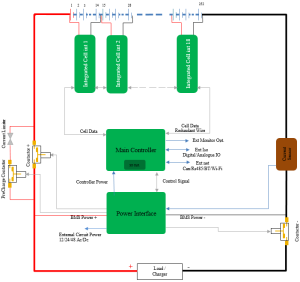
- Wasting energy from the most charged cells by connecting them to a load (such as through passive regulators)
- Shuffling energy from the most charged cells to the least charged cells (balancers)
- Reducing the charging current to a sufficiently low level that will not damage fully charged cells, while less charged cells may continue to charge (does not apply to Lithium chemistry cells)
- To Maximize the Battery’s capacity and to prevent localized under-charging or over-charging, the BMS may actively ensure that all the cells that compose the battery are kept at the same voltage or State of Charge through balancing. The BMS can balance the cells by:
7 Cell Protection:
-
- The BMS protects against the Overcharging and Over-discharging of individual cells. It can Disconnect or limit the current flow to a cell, reaching an unsafe voltage level.
-
Fault Detection and Handling:
- The BMS should be capable of detecting faults such as short Circuits, open Circuits, or other abnormalities. Additionally, it should take corrective actions to mitigate them.
-
Communication Interface:
- Many BMS units are equipped with communication Protocols (like CAN, UART, or SPI) to Interface with external systems, such as a vehicle’s control or monitoring system.
-
Redundancy and Reliability:
- For critical applications, it’s essential to have Redundancy in the BMS components to ensure continued operation in case of a failure.
-
Software and Firmware Updates:
- The ability to update the BMS Firmware or Software ensures that it can adapt to new Technologies or requirements over time.
-
Safety Features:
- The BMS should have safety Features like Over-temperature protection, short circuit protection, and other Fail-safes to prevent Dangerous situations.
-
Cell Authentication:
- Ensures that only Authentic, compatible cells are used in the battery pack, preventing potential safety hazards.
It should be noted that the specific requirements of a BMS can be varied depending on the application and the characteristics of the polymer Lithium-ion Batteries being utilized. A Battery Management System tailored to your application’s specific needs and safety Requirements must be selected or designed.
Always refer to the Manufacturer’s Guidelines and best practices for implementing a BMS.
You must be logged in to post a comment.