


































































































































































































































































































































































1. Introduction
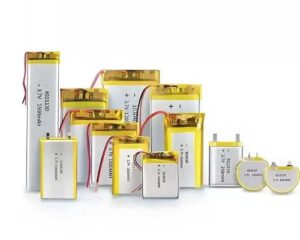
Lithium-ion polymer (Li-Po) batteries are widely used across consumer electronics, industrial devices, robotics, RC models, medical equipment, and portable power systems. High energy density, lightweight construction, flexible form factors, and high discharge capability drive their popularity. Unlike cylindrical or prismatic lithium-ion cells, Li-Po batteries are typically manufactured in a soft aluminium-laminated pouch format, which enables compact designs but also introduces specific safety and handling considerations.
Tempero Systems’ document provides a detailed overview of Li-Po pouch battery safety, covering construction, risks, proper handling, charging, storage, transportation, disposal, and best practices for long-term care. Understanding and following these guidelines is essential to reducing the risk of fire, Swelling, leakage, or Catastrophic failure.
2. Construction and Characteristics of Li-Po Pouch Cells
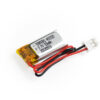
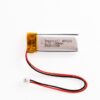
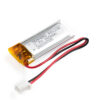
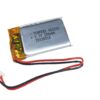
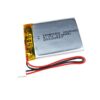
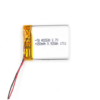
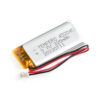
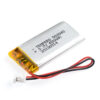
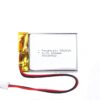
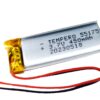
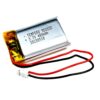
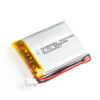
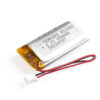
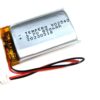
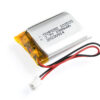
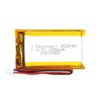
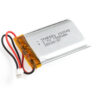
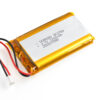
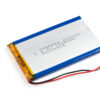
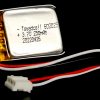
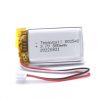
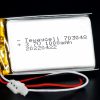
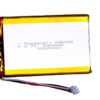
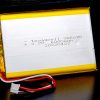
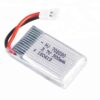
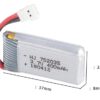
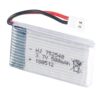
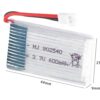
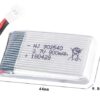
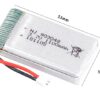
Li-Po batteries use lithium-ion chemistry with a polymer or gel-like electrolyte rather than a fully liquid electrolyte. The internal structure consists of layered electrodes (anode and cathode), separator films, and electrolyte, all sealed within a thin aluminium-plastic laminate pouch.
Key characteristics include: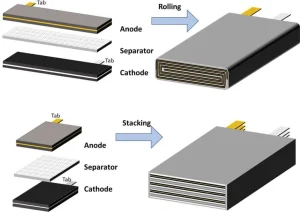
-
High gravimetric and volumetric energy density
-
Thin, lightweight, and customizable shapes
-
Low internal resistance, enabling high current output
-
No rigid metal casing for mechanical protection
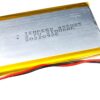
The pouch design allows flexibility in size and shape, but provides minimal physical protection compared to cylindrical or hard-case batteries. As a result, Li-Po cells are more vulnerable to mechanical damage, overcharging, and thermal stress.
3. Primary Safety Risks
3.1 Overcharging
Overcharging a Li-Po battery beyond its maximum voltage (typically 4.20 V per cell) can cause electrolyte decomposition, gas generation, internal heating, and thermal runaway. This can result in swelling, venting, fire, or explosion.
3.2 Over-discharging
Discharging below the minimum safe voltage (typically 2.5–3.0 V per cell) can cause irreversible chemical damage, internal copper dissolution, and increased internal resistance. Over-discharged cells are unsafe to recharge and may short internally.
3.3 Short Circuits
External or internal short circuits can cause extremely high current flow, leading to rapid heating, pouch rupture, fire, or ignition of surrounding materials.
3.4 Mechanical Damage
Puncturing, crushing, bending, or dropping a Li-Po pouch cell can damage internal layers or the separator, increasing the risk of internal short circuits. Even minor physical deformation can delay failure.
3.5 Thermal Stress
Exposure to high temperatures can accelerate degradation and trigger thermal runaway. Conversely, charging at very low temperatures can cause lithium plating, permanently damaging the cell and increasing the risk of fire.
4.  Swelling and Gas Generation
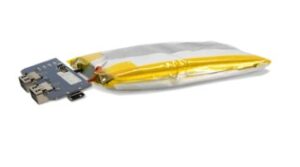
Swelling is a common warning sign of Li-Po battery Degradation or failure. It occurs when gas builds up inside the pouch due to Electrolyte breakdown or side reactions.
Common causes include:
-
Overcharging
-
Aging and repeated cycling
-
Prolonged high-temperature exposure
-
Over-discharge followed by recharging
A swollen Li-Po battery should be considered unsafe. It must not be punctured, compressed, or reused. Swelling indicates internal chemical instability and significantly increases the risk of fire.
5. Safe Charging Practices
Charging is the most critical phase in Li-Po battery safety.
5.1 Use the Correct Charger
Always use a charger designed explicitly for Li-Po batteries. The charger must support:
-
Constant current/constant voltage (CC/CV) charging
-
Correct cell count and final voltage
-
Balance charging for multi-cell packs
Never use NiMH, lead-acid, or unregulated power supplies to charge Li-Po batteries.
5.2 Voltage and Current Limits
-
Maximum charge voltage: 4.20 V per cell (unless specified otherwise by the manufacturer)
-
Recommended charge rate: 0.5C to 1C (where C equals battery capacity)
Charging at higher rates reduces battery lifespan and increases risk.
5.3 Supervised Charging
Li-Po batteries should never be charged unattended. Charging should take place on a non-flammable surface, away from combustible materials, ideally inside a fire-resistant Li-Po charging bag or metal enclosure.
5.4 Temperature Considerations
-
Do not charge below 0°C
-
Do not charge above 45°C
-
Allow batteries to cool after use before charging
Charging outside the Recommended temperature range significantly increases the risk of failure.
6. Safe Discharge and Usage
6.1 Avoid Over-discharge
Devices should include low-voltage cutoff protection. Users should stop using the battery when the voltage approaches the minimum safe limit.
6.2 Current Draw Limits
Ensure the battery’s discharge rating (C-rating) is suitable for the application. Drawing current beyond the rated limit causes excessive heating and internal damage.
6.3 Heat Management
During operation, batteries should remain within their specified operating temperature range. Excessive heat during discharge is a sign of overload or internal fault.
7. Handling and Physical Protection
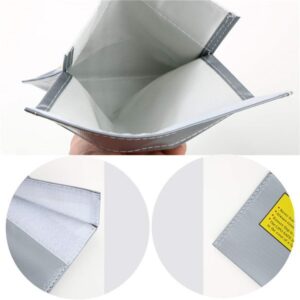
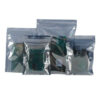
LiPo Safe Explosion-proof Battery Bag
Proper storage significantly extends battery life and improves safety.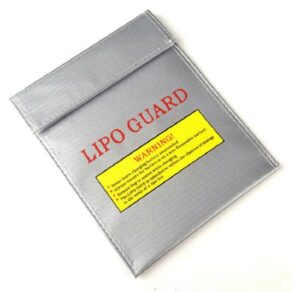
8.1 Storage Voltage
Li-Po batteries should be stored at approximately 3.7–3.85 V per cell (around 40–60% state of charge). Storing fully charged or fully discharged batteries accelerates degradation.
8.2 Temperature and Environment
-
Ideal storage temperature: 15–25°C
-
Store in a cool, dry place
-
Avoid direct sunlight and heat sources
For long-term storage, fire-resistant containers are strongly recommended.
8.3 Periodic Inspection
Stored batteries should be checked periodically for:
-
Swelling
-
Voltage drop
-
Physical damage
Any abnormal battery should be isolated and disposed of safely.
9. Transportation Safety
Li-Po batteries are classified as dangerous goods for transport due to fire risk.
Key precautions include:
-
Protect terminals against short circuits
-
Use original or approved packaging
-
Do not transport damaged or swollen batteries
-
Follow applicable regulations (e.g., IATA, UN 38.3)
For commercial shipments, proper labelling, documentation, and compliance with testing requirements are mandatory.
10. Disposal and End-of-Life Handling
Li-Po batteries must never be disposed of in household waste.
10.1 Preparation for Disposal
-
Discharge the battery to a safe level (as recommended by local regulations)

-
Insulate terminals with non-conductive tape
-
Place in a non-flammable container
10.2 Recycling
Dispose of Li-Po batteries through authorised battery Recycling programs or Hazardous waste facilities. Recycling recovers valuable materials and prevents environmental contamination.
10.3 Recycling program
Bunnings’ national battery recycling program allows you to recycle your used household and power tool batteries in-store, giving them a new lease on life
11. Fire Response and Emergency Measures
In the event of a Li-Po battery fire:
-
Do not use water alone on large battery fires
-
Use Class D fire extinguishers, sand, or dry powder if available
-
Evacuate the area if the fire cannot be controlled
-
Avoid inhaling toxic fumes
Thermal runaway can reignite even after flames appear extinguished, so continued monitoring is essential.
12. Best Practices for Long-Term Care
To Maximise safety and service life:
-
Avoid full charge and complete discharge cycles when possible
-
Keep batteries within Recommended temperature limits
-
Use battery management systems (BMS) where applicable
-
Replace aging batteries before performance degrades significantly
Preventive care is far more effective than responding to battery failure.
Lithium-ion polymer pouch batteries offer exceptional performance and design flexibility, but they demand careful handling and respect for their limitations. The soft pouch construction makes them more susceptible to mechanical damage and thermal stress than rigid Lithium-ion cells. Most Li-Po battery incidents can be traced to improper charging, physical abuse, poor storage practices, or lack of protection circuitry.
By adhering to proper safety procedures—using appropriate chargers, monitoring voltage and temperature, storing batteries correctly, and disposing of them responsibly—users and manufacturers can significantly reduce risks while benefiting from the advantages of Li-Po technology. Safety is not a single action but an ongoing discipline throughout the battery’s entire lifecycle.